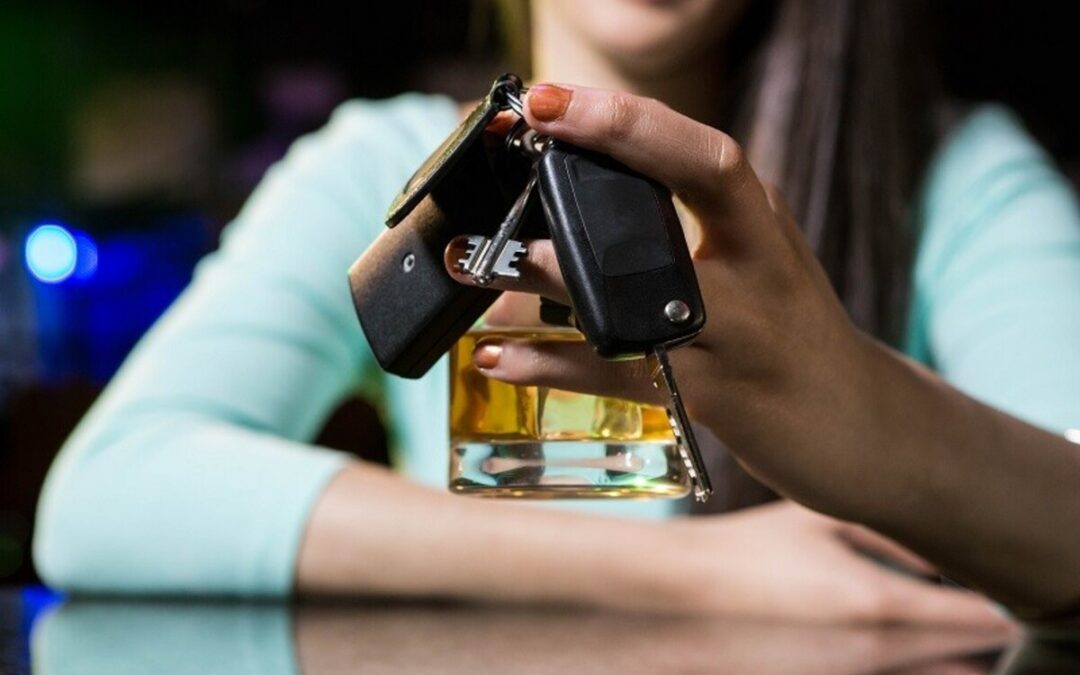
If a drunk person hurt you or someone you love, you may wonder whether you can sue the bar that kept serving them. In Missouri, it sometimes can. But these claims come with a tough legal standard: you must prove your case by “clear and convincing evidence.”
Understanding Dram Shop Claims
This is a lawsuit against a business that sold alcohol to someone who then caused an injury. Missouri law starts from the idea that the act of drinking, not the act of serving, causes alcohol-related harm.
But there is an important exception. A business licensed to sell alcohol for drinking on its premises, such as a bar or nightclub, can be sued if it knowingly sells alcohol to a patron who is visibly intoxicated or to a minor below the age of twenty-one who then harms another person.
How “Clear and Convincing” Compares to Other Standards
This is a higher standard than the one used in an ordinary civil case. The judge or jury must be left with a firm belief that your claim is true, not just a slight lean in your favor. But it is still below the standard used in criminal trials.
Think of a scale. Under the usual standard used in ordinary civil cases, your evidence only has to tip the scale a little. With this standard, it has to tip it clearly.
What You Have to Prove
Using that higher standard, you need to show the court that the business knowingly furnished alcohol to a patron who was clearly intoxicated, or who was under twenty-one, and that this person then caused your injuries.
When it comes to “visible intoxication,” the law looks for obvious, outward signs indicating someone was already drunk. For example, a person swaying while walking, bumping into furniture, having trouble holding a glass, or being barely able to stand up straight.
A breath or blood test taken after a car crash, for example, can support your case, but that isn’t enough by itself. What counts most is what a server or bartender could actually see in the moment, making witness accounts and video from inside the bar important
Evidence That Can Make a Difference
Helpful evidence in these cases can include:
- Security video showing how the person looked and acted while being served
- Receipts and tab records showing the number of drinks bought and when they were bought
- Statements from servers, other customers, or friends at the table
- Police reports and arrest records noting alcohol involvement and test results
Bars often write over surveillance footage within days. Acting quickly can mean the difference between having this evidence and losing it forever.
What About the Negligent Party?
A dram shop case does not replace a claim against the drunk person. Your case against the drunk party is generally judged under the lower “more likely than not” standard. A dram shop claim adds a second possible compensation source, but it takes more work to prove.
Contact Us for Legal Help
If you were hurt by a drunk person and think a bar or restaurant may have over-served them, contact a skilled personal injury lawyer at Griggs Injury Law to discuss your situation and learn your options.