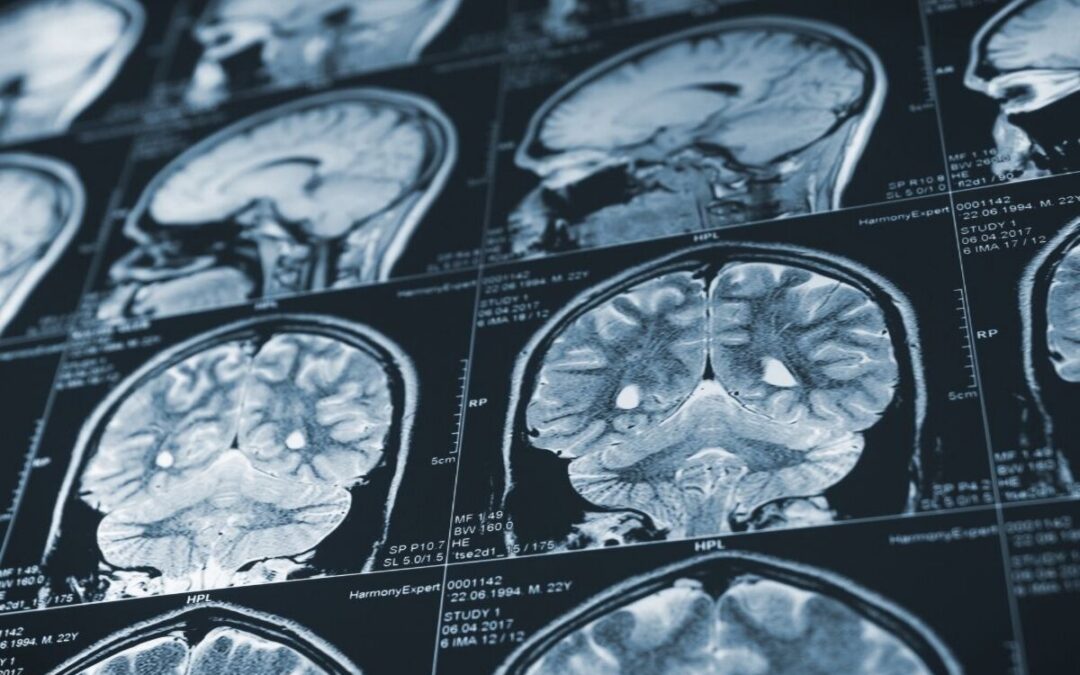
Living with a traumatic brain injury is not easy. Headaches, memory lapses, trouble concentrating, mood swings, fatigue, and other symptoms can turn your world upside down. They can affect everything from your job to your relationships, and simple daily tasks can suddenly feel impossible. Luckily, if your injury occurred due to another party’s negligence, you may be eligible for compensation.
However, proving that you actually have a traumatic brain injury can be really tough, especially when your scans look perfectly normal. Insurance companies often use normal CT or MRI results to argue that you were not seriously hurt in your accident. If you are in this position, it is important to understand why insurers do this and how you can push back.
Why Your Scans Might Show Nothing
CT and standard MRI scans do a great job at detecting structural damage, like brain bleeds, swelling, or skull fractures. A traumatic brain injury may not cause changes that can be seen on routine imaging. You could be dealing with real, life-altering symptoms, yet your scans appear “normal.” Medical experts have long recognized that a normal scan does not automatically rule out a traumatic brain injury.
How Insurance Companies Use Normal Imaging Results
If your scans are clean, insurance companies might argue that:
- You did not actually suffer a brain injury
- Your symptoms are exaggerated or unrelated to the accident
- The injury is too minor for significant compensation
- Ongoing medical care is not needed
If you are suffering but the scans do not show it, these arguments can feel infuriating and unfair.
Why Relying on Imaging Alone is Problematic
TBIs are sometimes called “invisible injuries” because the effects, such as memory problems, brain fog, personality changes, insomnia, and anxiety, do not show up on medical scans. You could be struggling every day, yet doctors, employers, and even family members might not see anything in your test results.
Doctors diagnose many traumatic brain injuries using a combination of factors, including the patient’s symptoms, neurological examinations, medical history, witness accounts, and cognitive testing. Imaging is only one piece of the overall picture.
Other Ways to Prove You are Hurt
If your scans are “normal” but you still feel “off,” other types of evidence can support your claim. Neuropsychological testing can help show changes in thinking and memory. Treatment records, testimony from your doctors, and observations from friends and family are also important, especially if people have noticed you are different since the accident.
Protecting Your Rights After a Traumatic Brain Injury
A normal scan does not mean you were not hurt. Many genuine brain injuries just are not captured in a typical CT or MRI. Insurance companies often use that to defend against claims, but it does not make your symptoms any less real.
The reality is that traumatic brain injuries are often far more complex than what a scan can reveal. While insurers may focus on imaging results, the law recognizes many other forms of evidence. The key is obtaining a thorough medical evaluation and building a strong case that reflects the true impact the injury has had on your life.
Contact Us for Legal Help
If you suffered a traumatic brain injury after an accident, our experienced brain injury counsel at Griggs Injury Law is here for you. We understand the uphill battle of proving TBI claims and will fight for the compensation you are owed. Contact us today. We are ready to help.