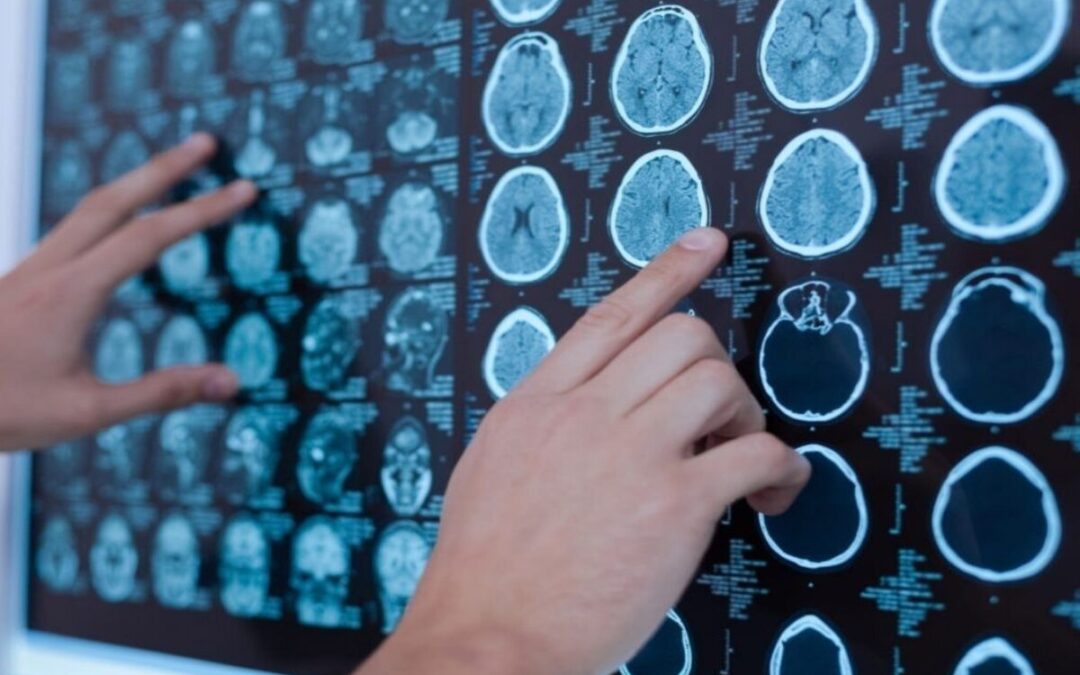
After a car accident or slip and fall accident, most people expect the obvious signs of a traumatic brain injury (TBI), such as loss of consciousness, convulsions or seizures, or persistent or worsening headache. However, many times, TBIs exhibit symptoms that are not so obvious. Unfortunately, people often go about their lives after an accident without realizing that the symptoms they are experiencing are actually due to a brain injury.
Determining a traumatic brain injury early is vital. If a TBI is left untreated, it can worsen over time, impacting your life. Early detection is also crucial for your personal injury claim. Medical records created as soon as possible after your accident can help establish causation and the severity of your injury.
Below are eight common subtle signs of a traumatic brain injury that people often overlook.
1. Light or Sound Sensitivity
Many people who suffer a TBI become more sensitive to light or sound. This symptom can develop slowly, making it easy to miss until it begins interfering with daily life. TBIs cause light and sound sensitivity by disrupting how the brain filters and regulates sensory information, leading to sensory overload and heightened sensitivity.
2. Memory or Concentration Problems
Some people experience problems with concentration or memory. They may find it hard to stay focused on tasks, follow conversations, or remember recent happenings. While these symptoms can be subtle, they can affect your life in significant ways.
3. Trouble With Communication
When you find yourself struggling to remember common words, pausing in the middle of sentences, or having difficulty keeping up with conversations, you might not think much about it. However, this can be a sign of cognitive disruption.
4. Mood Swings or Irritability
Emotional changes are among the most commonly overlooked signs of a traumatic brain injury. Experiencing unexplained frustration, feeling irritable, or having mood swings can be a sign that the brain regions responsible for regulating emotion have been affected.
5. Changes in Sleep Patterns
A hit to the head can drastically affect your sleeping patterns. When the brain is injured, it may change how the chemicals responsible for telling the body to sleep or wake up affect the body. A TBI can result in you sleeping more or having trouble falling or staying asleep.
6. Balance Problems
Your body relies on signals from your eyes, inner ears, muscles, and brain to maintain balance. This entire system is known as the vestibular system. Damage to any part of this system can interfere with the signals needed for balance, leading to dizziness, unsteadiness, and a high risk of falling.
7. Blurred or Double Vision
Even if you did not suffer trauma to the eye, a TBI can cause vision problems. Blurred vision, double vision, or difficulty focusing on text or screens can be a sign that your brain was injured in the accident. Unfortunately, some people dismiss such issues as fatigue.
8. Nausea
Nausea and vomiting are common symptoms of a TBI that can occur right away. However, these symptoms can also be delayed. Nausea and vomiting can occur days after an accident. In such a case, it can be easy to blame the symptoms on something else.
Legal Help is Available
If you or someone you love has experienced any of these symptoms after an accident, seek prompt medical attention. After that, consider speaking with an attorney. Our experienced brain injury counsel at Griggs Injury Law can help you understand and protect your legal rights.